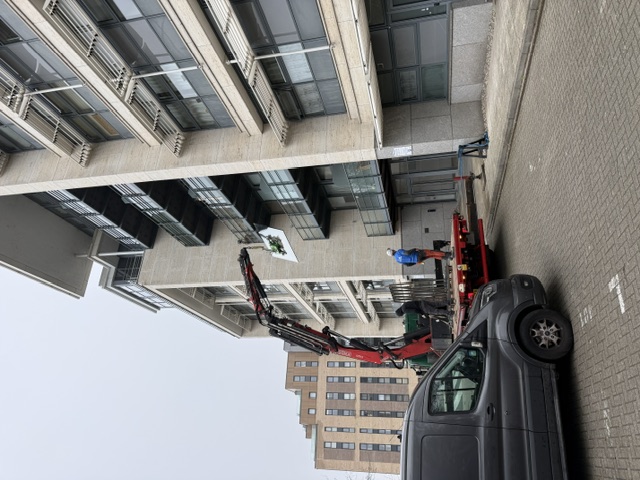
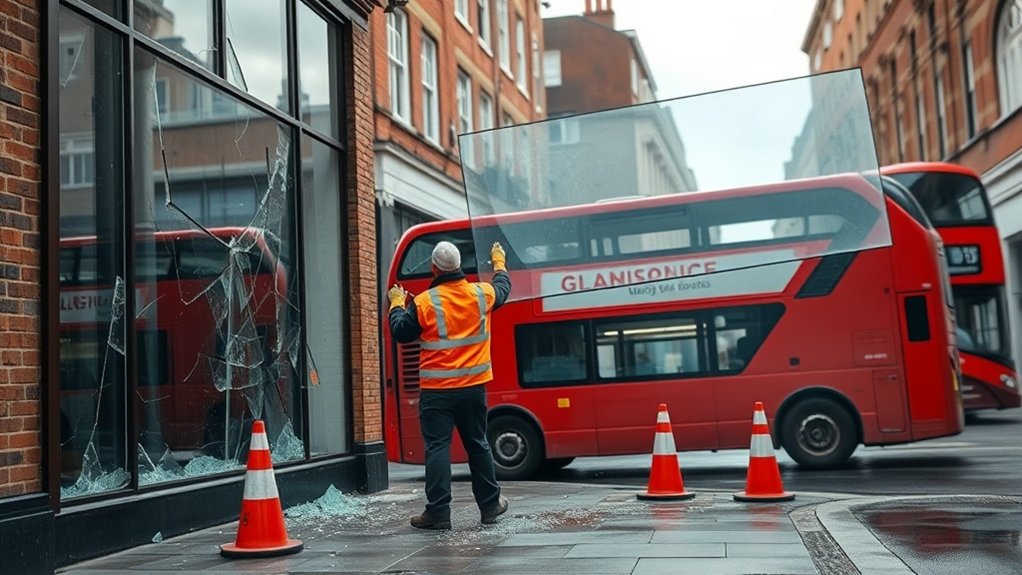
If a window, door panel or shopfront in White City has been broken and you intend to claim on your policy, the repair needs to be recorded as carefully as it is carried out. Insurance glazing means glass work that is measured, photographed, specified and invoiced in a form a loss adjuster can sign off without further questions. Most policies pay for sudden accidental breakage, storm damage and break-ins, including emergency boarding, but not for gradual deterioration or poor fitting. Below we explain what is covered, what insurers check, and how to make a claim in White City without slowing it down.
Key insights
- Insurance glazing in White City covers making the opening safe, recording the damage, and replacing the glass in a way that satisfies your insurer.
- Sudden accidental breakage, storms and attempted break-ins are normally insured; wear, old cracks, condensation between panes and badly installed units are normally excluded.
- Adjusters want photographs, pane sizes, the glass type and a short account of what happened, so gather that evidence early.
- Your excess, any per-pane limits and the lead time for toughened or laminated units all affect what you pay and how long you wait.
What Is Insurance Glazing in White City?
A glazing job becomes an insurance job as soon as a policy, rather than you, is paying for it. In White City, W12 that means a loss adjuster, claims handler or repair network will want to see what was broken, why, and what it cost to put right. Any competent emergency glazier can board a window and refit glass; our role is to do the glazing to the right standard and produce the paperwork alongside it.
In practice we attend quickly, board the opening, measure and photograph each damaged pane, identify the glass type (float, toughened, laminated or sealed double glazed unit) and write it up in a format adjusters recognise. We can deal with the adjuster on your behalf and price the work in the itemised way they expect. There is also room to improve on what was there: if a shop window is being replaced anyway, laminated glass, an acoustic interlayer or a solar-control coating often adds only a modest sum to the insured like-for-like figure, and we show the difference clearly so you can decide.
What Glass Damage Does Insurance Usually Cover?
Most UK home and shop policies cover glass under three headings: accidental breakage, storm damage, and impact from objects, vehicles or intruders. A cracked double glazed unit in a 1930s semi, a smashed shop door on the high street and a rooflight hit by a branch all usually qualify, provided the cause was sudden. The same wordings list what they will not pay for, so read the exclusions before assuming a repair is funded.
Accidental Breakage Scenarios
Policies in White City are built around the idea of an unexpected event. A football through a kitchen window, a delivery trolley clipping a display pane, or a customer walking into a shop door are all typical accidental breakage claims, because nobody could reasonably have foreseen the damage.
The insurer will usually fund the immediate safety work first: boarding up, clearing broken glass and fencing off the hazard. The permanent repair is then priced like for like, meaning the same size and type of glass as before. Where the old glass no longer meets current rules, such as an annealed pane in a door that now needs safety glass to BS EN 12600, insurers generally accept the compliant specification.
Weather And Impact Damage
Storm claims are among the most common glass claims in White City, and insurers have become precise about what counts as a storm. Wind-driven debris, hail, a fallen branch or a roof tile landing on a conservatory are normally covered, provided the weather was severe and the glass was sound beforehand. If you have already fitted laminated safety glass, stronger frames or security glazing, the policy should restore the same level of performance rather than the cheapest glass that fits the hole, so keep that specification on file.
Impact damage is treated much the same way. A vehicle reversing into a shopfront or a rooflight broken by debris are typically insured. Where coatings or films were part of the original glazing, we specify them again so the replacement matches in thermal and protective terms.
Exclusions And Limitations
Gradual deterioration is the most common exclusion: misted units with failed seals, cracks that have been there for months, rotten frames that let the glass drop, and cosmetic scratches. Damage caused by a tradesperson during other work, and deliberate damage, also fall outside most standard wordings unless an extension has been added.
Beyond exclusions there are limits. Some policies cap the amount per pane, the emergency call-out fee, or the cost of temporary boarding. Heated glass, electrochromic units or ballistic glazing may only be insured at the value of ordinary glass unless declared. If you have invested in high-specification glazing, tell your broker, adjust the sums insured, and check them at each renewal.
Insurance Glazing Costs, Excess and Timing
Three things decide what a claim costs you personally: the excess, any limits on glass, and the gap between what the insurer funds and what you want fitted. The work itself is priced on glass, labour and access, which for a high rooflight may mean a tower. Laminated, toughened and security units cost more than standard float, though some insurers reward security upgrades with a lower premium or excess.
Compare the excess with the likely bill before you claim. If one sealed unit in a bedroom window costs little more than the excess, paying directly keeps your claims record clean; for a smashed shopfront or several windows after a storm, claiming almost always makes sense. Insurers expect prompt notification, often within days, and some want to approve the quote before permanent work starts. Toughened and laminated panes are made to order and can take one to two weeks after survey, so we board first and fit the glass as soon as it arrives.
What Insurers Look For in Glass Claims
The first check a claims handler makes is whether the policy covers the event described at all; accidental damage is an optional extra on many home policies, while storm and theft are usually core cover.
The second check is cause and condition. The insurer wants to be satisfied the breakage was sudden rather than the end result of an old stress crack or a tired frame. Dated photographs, pane dimensions and a note of the glass construction, whether that is toughened, laminated, double glazed or fire-rated, go a long way here.
Finally, they compare repair against replacement and fund whichever is cheaper while still meeting the relevant standard. Safety glazing in critical locations under Approved Document K, Part L energy performance for replacement windows, and security ratings for commercial premises all feed into that judgement.
How to Make a Glazing Insurance Claim
A glazing claim goes through quickly when the evidence is tidy and the insurer's rules are followed. Photograph the damage before anything is moved, measure each pane, note damage to frames, locks or hinges, and keep the receipt for any boarding. Then report the incident within the time the policy allows.
Documenting Damage And Evidence
Begin with safety, then the camera. Keep people away from loose glass and take wide shots showing the whole window or door, including any boarding already fitted. Then photograph each crack, hole and impact point close up, along with bent frame sections, broken beads or damaged handles.
Phones timestamp images automatically; keep them in one folder named by location and date. Measure the visible glass size of every affected pane, record whether it is single, double glazed, toughened or laminated, and write a short incident note: when the damage was found, the likely cause, what you did to make it safe, and the names of any witnesses.
Navigating Insurer Requirements
With the evidence gathered, match it to the policy. Find the clauses that deal with glass, accidental damage, storm and emergency repairs, and check the excess and any limits. Report the claim through the insurer's app or online portal where one exists, because that creates a dated record of every upload and message. Give the pane sizes, glass type, frame material (uPVC, timber or aluminium) and say whether the property is currently secure.
Ask directly whether the insurer needs to approve a quote before permanent work begins, since some will not pay for work started without authorisation. Using a glazier who can issue insurer-ready reports and electronic invoices cuts down the back-and-forth that otherwise delays settlement.
Frequently Asked Questions
Does Insurance Glazing Cover Listed Buildings and Conservation Areas in White City?
Usually yes, provided the listed status or conservation area designation was declared when the policy was taken out. The insurer will expect the replacement to match the original in profile, sightline and material, which can mean slimline double glazed units, secondary glazing or laminated glass in timber sashes. Where listed building consent is needed, we can supply drawings for the application and keep the boarding in place while consent is obtained.
How Does Making a Glass Claim Affect My Future Insurance Premiums?
Every claim is recorded and shared between insurers, and the effect at renewal depends on how often you claim, how much each claim costs and whether fault is attached. A single modest glass claim after a storm often makes little difference, while several claims in a short period, or a large shopfront claim, can push up the premium or the excess. If the repair cost is close to the excess, ask the broker before you proceed.
Are Shop Window Advertising Vinyls or Decals Covered When Glass Is Damaged?
Not automatically. Most commercial policies treat window graphics, vinyl lettering and decals as contents or signage rather than part of the glass, so the pane is paid for but the artwork may not be. Check whether your policy has a signage or shopfront extension, or ask the broker to add one if your branding is costly to reproduce, and list the graphics on the schedule with a value.
Can I Choose Upgraded Security Glass and Just Pay the Cost Difference?
In most cases, yes. The insurer funds a like-for-like replacement and you pay the extra for a better specification such as laminated, toughened or anti-bandit glass. Get the insurer's agreement in writing first, then ask us for two priced options side by side. The specification sheet should state the standard the upgraded glass meets, for example PAS 24 for security doorsets, so the improvement can be noted on the policy.
Is Temporary Boarding Covered if the Glass Damage Happens Outside Business Hours?
Generally it is, because most policies include emergency make-safe or temporary security costs as part of the claim, whatever the time of day. Look for wording about emergency repairs, call-out charges and any cap per incident, and ask whether the glazier can invoice the insurer directly or you pay and reclaim. Keep the boarding invoice and photographs of the boarded opening, since both will be requested.
Summary
Insurance glazing in White City works best when the make-safe, the evidence and the permanent repair are handled by one firm that knows what adjusters need. Photograph everything before it is moved, and choose a glazier who can supply reports in the format your insurer expects. If you have a claim to make, call us for a free quote and we will secure the property and start the paperwork the same day.